Assistant Keeper · North Head Station
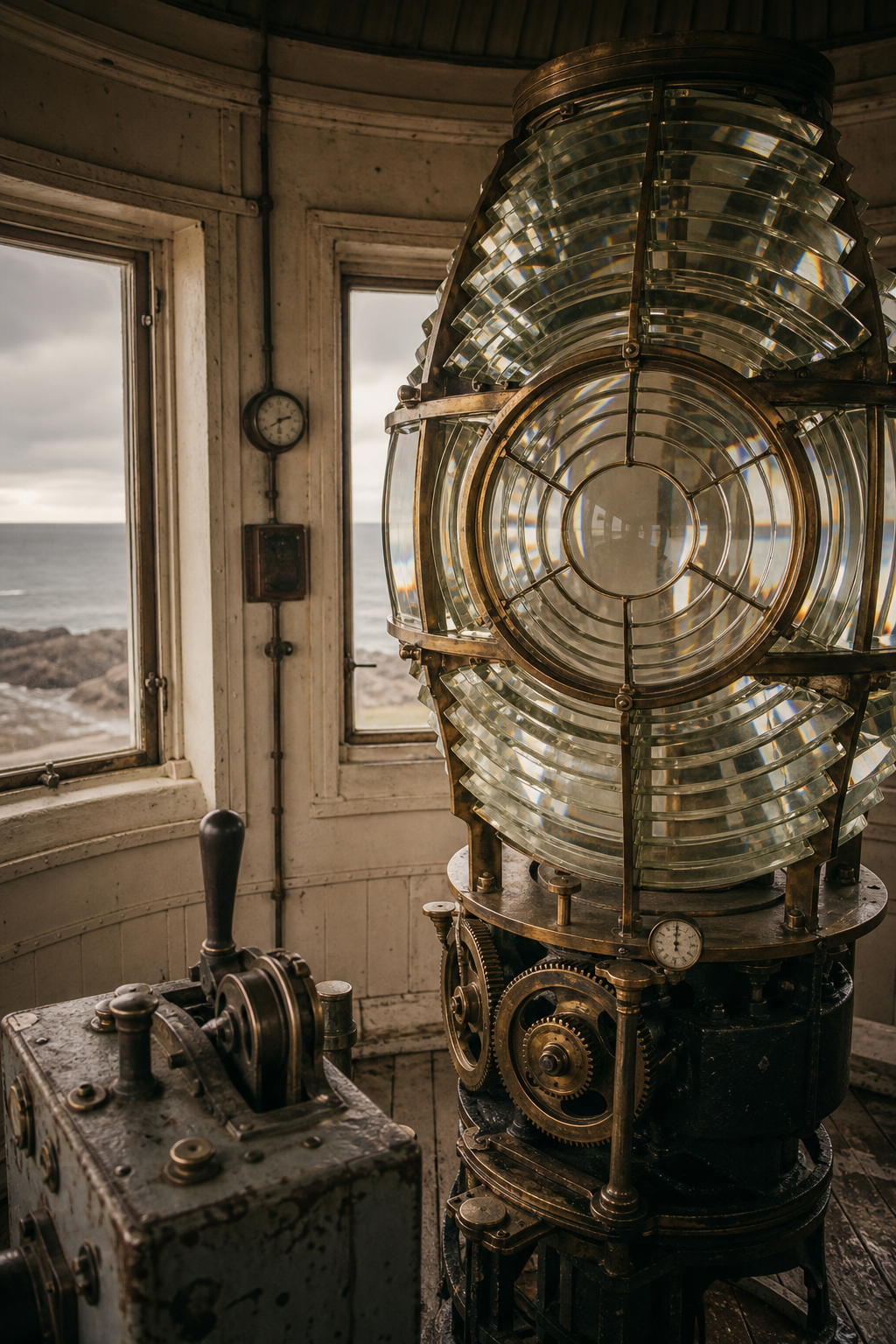
I learned to read weather first by smell. When kelp turned sharp in the dusk, I climbed early, trimmed the wick twice, and kept the beam steady before the fog found us.
Eliza Morren
Northern Coast Archive
Keeper journals, lantern-watch recollections, and quiet details of life lived along the northern coast.
Read the storiesThese accounts trace everyday lighthouse life through work shifts, storm seasons, and the quiet routines between alarms.
The lead narratives follow keepers through lamp maintenance, watch logs, and improvised repairs, revealing how skilled labor and careful timing kept the coast visible in fog, wind, and winter dark.
Supporting accounts linger on isolation and rhythm: shared meals, radio check-ins, and weather-bound waits that turned routine into resilience across remote stations.
Keeper accounts
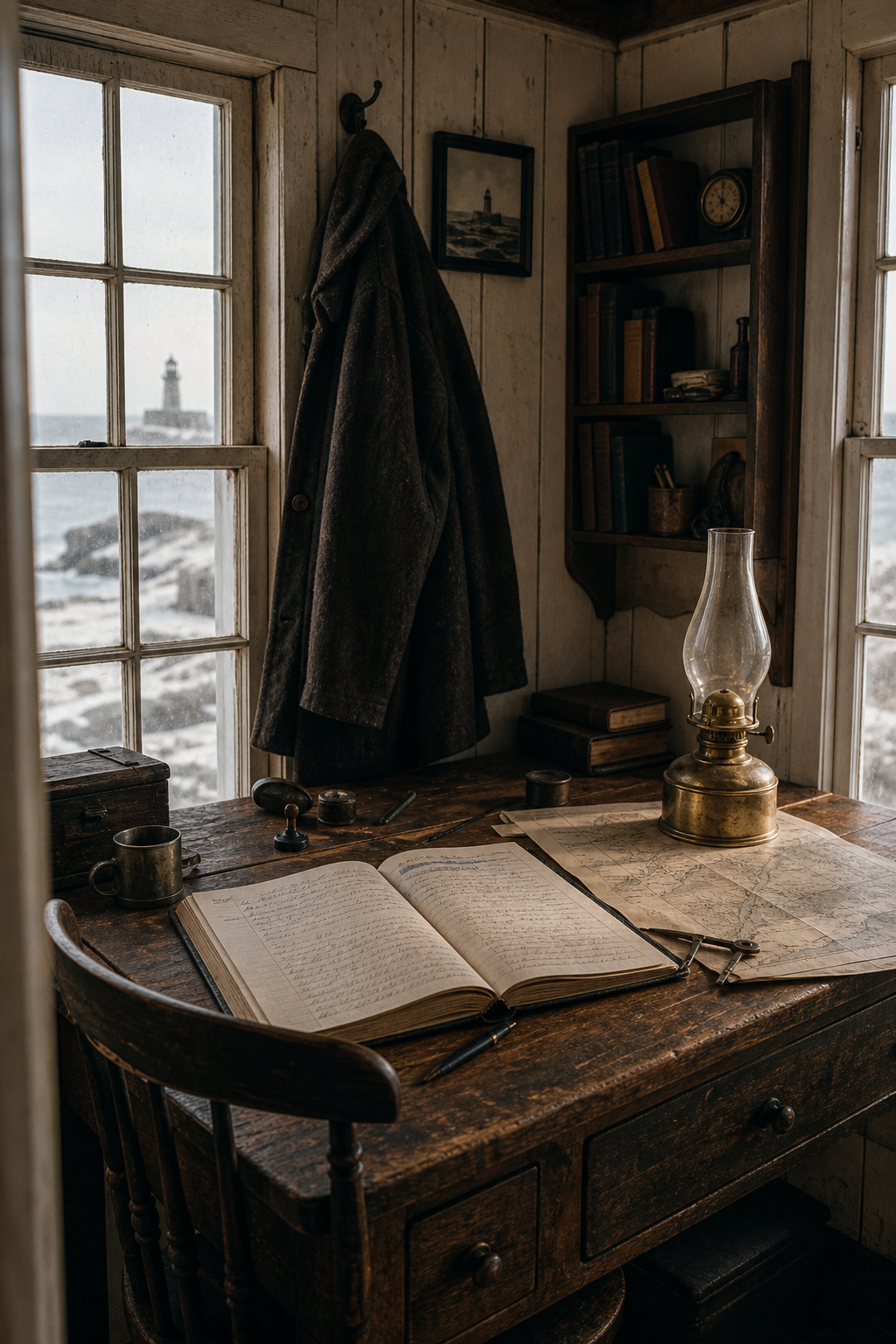
Brief excerpts from logbooks and recollections reveal long watches, weather shifts, and the human routines behind each light.
I learned to read weather first by smell. When kelp turned sharp in the dusk, I climbed early, trimmed the wick twice, and kept the beam steady before the fog found us.
Eliza Morren
My hands carried the scent of oil for years. If the lens showed one fingerprint at dawn, I stayed back after watch and polished until the glass gave the sea back in full.
Tomas Vale
I kept the kitchen clock by the bell above the surf. Bread rose by lantern heat, children copied lessons at the table, and every evening ended when the foghorn answered us.
Annie Firth
On relief weeks I arrived with one canvas bag and a new set of tides to memorize. By the second night, the stair count, bell rope, and shoreline all felt like home again.
Joseph Kellan
Life at the station moved by weather, clockwork, and long intervals of watchfulness.
Weather watch: Wind shifts and fog banks changed visibility by the hour.
Constant maintenance: Brass, glass, and gears were cleaned and checked daily.
Signal discipline: Lamps, shutters, and horn timing had to remain exact through each watch.
Isolation: Quiet stretches between supply runs shaped both routine and resilience.